Filing for Divorce While Exhausted

Time published an article by Oona Metz, 'Why So Many Women Initiate Divorce'. Reading along I found myself nodding my head with many of the reasons echoing why I chose to end my own marriage. The main passage that hit home with me was:
"…despite years of effort, they are unable to engage their spouses in improving their partnerships. In many cases, their spouses have disengaged or abandoned the spoken and unspoken rules of marriage, leaving women cornered into choosing divorce as their only viable option. Often, after years of trying to repair their relationships without success, these same women often bear the emotional and logistical labor of calling an end to them."
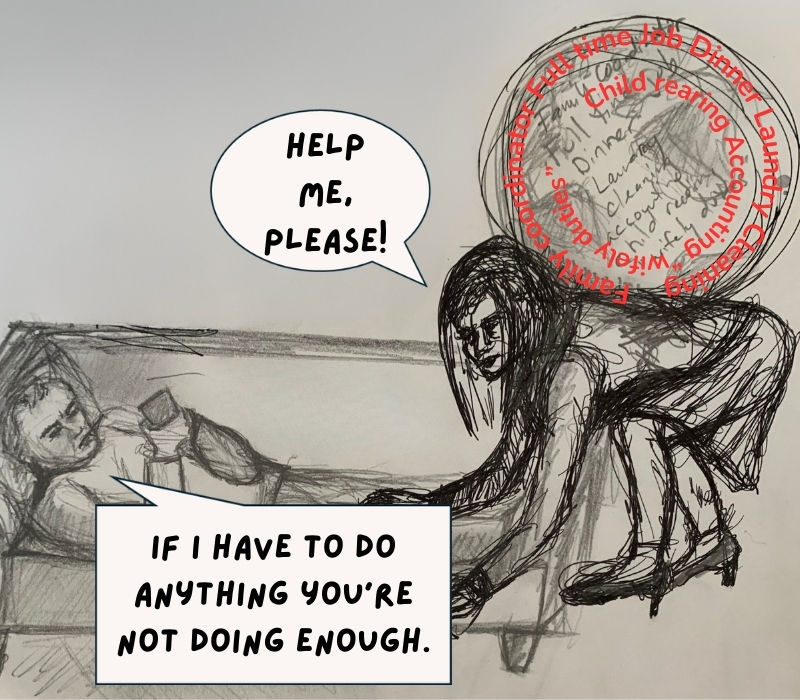
Trying repeatedly year after year, to single handedly save a marriage with a spouse who is either unwilling or incapable of reciprocating the slightest bit of effort is exhausting. Coming to the conclusion that your only choices are to stay in a miserable situation for the rest of your life or to take the frightening steps to start over, is exhausting. And then the divorce process itself is exhausting!
Is it any wonder why so many women in particular end up giving away assets they have a legal right to, just to finally be done. In effect they are paying their spouse to go away so that the healing process can finally begin and they can start rebuilding their lives. For many, the sacrifice ends up being worth it, at least in the short term. Others indicate regret years later, not for the divorce itself, but for not fighting harder for themselves and giving away too much. Unfortunately, many don't always realize until years later that they traded their future financial stability and ability to retire at retirement age to be done.
The line about bearing the emotional and logistical labor of ending the marriage hit me the hardest. If you're someone who has spent years trying to repair a marriage on your own, by the time you file you're already done, exhausted from effort, emotionally drained and ready to move on. Your spouse however, may suddenly decide that now is the time to try and fight to 'save' the marriage. And because up until that point they weren't putting in much effort, they are fresh as a daisy entering into that fight, in addition to having not yet processed the end of the relationship. While those efforts to 'save' the marriage are often too little too late, they're primed to fight the hardest just as you're ready to lay down arms and be done.
Ending a marriage is a legal process fraught with emotion. In Illinois and many other states, equitable does not mean equal. A 50/50 split is not guaranteed. Without the right support, getting a 'fair' marital settlement can frequently boil down to stamina. It's hard to have stamina when you're already exhausted. Negotiating things like spousal support, parental agreements and dividing assets aren't always easy decisions to make even when things are amicable. Current emotional and mental health needs to be balanced against future financial stability.
All of these reasons are why it's incredibly important to have clarity around what is important to you, what is the floor of what you're willing or able to walk away from and what is the ceiling as to what you can expect so that you can put realistic plans for the future in place for yourself. When it comes to signing a marital settlement agreement where the decisions likely will impact on the rest of your life, it's never been more important to understand what you're signing, what you're trading, what you're giving up and how that is going to impact you not just in the short term, but in the long term. Don't let your exhaustion and desire to just finally be done make those decisions for you.
Part of the work that I do as a CDFA® is to provide the information needed to help you
determine your floor and ceiling for the negotiations and whether it's worth it to continue to fight or whether it might be better to let some things go.
You don't have to figure it all out on you own.


Comments