The Hardest Parts of Divorce
There's the obvious grief that comes with realizing that your life has not turned out the way you'd hoped. Es[ecially for those in high conflict situations, there's the obvious stress and anxiety. For some, their experience includes a lack of support; emotional support or financial.

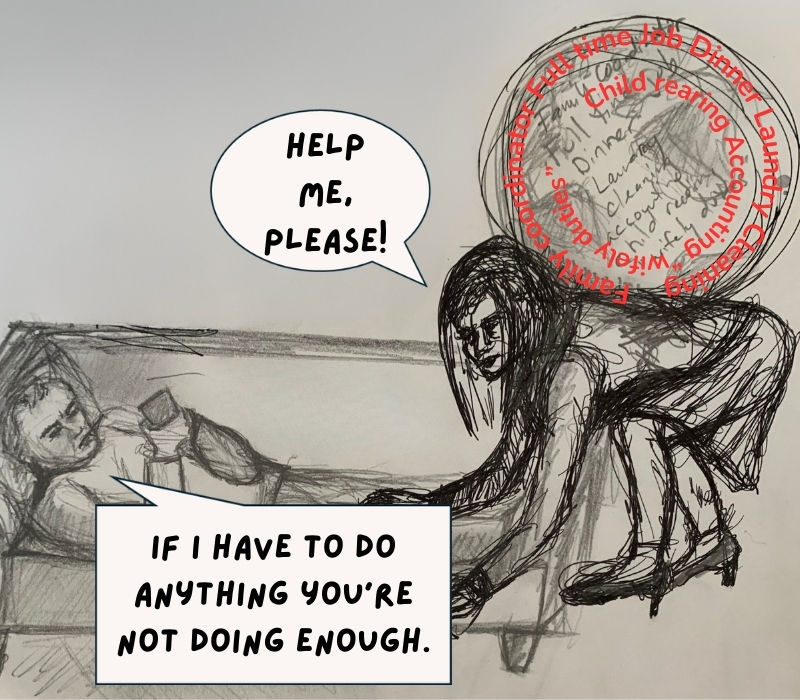
Another hard part of divorce people don't mention:
Attorneys confer with each other and the judge while you wait on hard wooden benches to find out what happens next, trusting that your case will be pled and the judge made to understand. Because especially in high conflict cases, it feels important that the judge understands the situation. The reality is that judges typically spend only a few minutes reviewing each case. And judges review cases from a legal lens rather than from lived experience. Accepting that the judge may not understand or care that "joint debt" was deliberately created by one party to harm the other can come with it's own grief. Or perhaps the judge or your attorney don't fully understand equity compensation structures and assume things like stock options are the same things as RSUs, inflating or deflating one spouses true income.
A CDFA® can help explain and break down complicated financial topics and situations for attorneys and judges.
Less obvious and what doesn't get discussed as often: divorce creates a state of limbo where control over your own life feels elusive. Divorce lives in this chaotic in-between, a transition stage. Your life is changing drastically except you don't where where the pieces are going to land. And it can take years before they do.
How do you negotiate or plan around not knowing:
Whether or not you'll receive or have to pay support? How much?
Whether you'll stay in the same home or have to move?
How will retirement assets be split? Will there be enough for you to retire?
Will you have to find a new job or change careers altogether to earn more money, perhaps go back to school?
What other lifestyle changes will you need to make?
Will having to tighten your belt be temporary until the legal process is resolved? Or will it be something that you'll be forced to adjust to more permanently?
This is where working with a CDFA® can help. Their analysis can provide you with the information you need to negotiate by helping answer your biggest questions:
If you accept a settlement, how will that impact you long term?
Is their offer lopsided to the point of causing you harm?
What is the minimum you can safely accept and still reasonably be ok?
What is a realistic maximum you can hope for?
Is what seems fair on paper, actually equitable?
How do taxes factor in?
You don't have to figure it out alone.


Comments